






Search Results for: German coffee history
From Berlin's first coffeehouse to the world's second-largest consumer nation: the historical trajectory of German coffee culture and the Latin American cultivation landscape
In 1721, the first coffeehouse opened in Berlin, marking the beginning of Germany's coffee industry, which started slowly amid policy restrictions but rose rapidly in the 19th century through Latin American plantations and immigrant networks. German merchants once controlled more than 80 percent of Guatemala's coffee bean exports, and two world wars caused this coffee domain to rise and fall several times. After the war, Germany's economy recovered, and its position in the coffee trade was rebuilt accordingly. Today Germany is the world's second-largest coffee-consuming country, and its per capita consumption far exceeds that of the United States. This article sorts out the complete thread of German coffee culture from its budding beginnings and expansion to its revival, and is suitable for readers interested in coffee history and the industrial landscape to savor carefully. [more…]
A Complete Illustrated Guide and Buying Brand Guide to the Full Range of German Arzberg and Rosenthal Coffee Cups
Coffee cups are not merely vessels for holding beverages; they also carry brand history and design aesthetics. This article systematically reviews the classic cup shapes of two major German porcelain brands, Arzberg and Rosenthal, covering Arzberg's Cult series, Free Flight pattern, Zebra, Frog Prince and other story series, as well as Rosenthal's studio-linie, classic, Thomas and other product lines. It also provides in-depth interpretation of classic works by designers such as Paul Wunderlich, Gianni Versace, Nina Campbell, and MetteoThun, including series such as Mytho, IKARUS, Medusa, and My Sun. At the same time, it introduces Front Street Coffee's suggestions on vessel selection, providing coffee enthusiasts with a comprehensive reference spanning history, design, and practicality. [more…]

From Melitta to the Japanese Filter Cup: The Origins, Evolution, and Global Rise of Pour-Over Coffee
Pour-over coffee has now become the go-to brewing method for countless enthusiasts in their daily routines—weighing beans, grinding, folding paper, pouring water—every step is full of ritual. But have you ever wondered where this drip-filter brewing method actually came from? And who invented the first dripper and filter paper? This article will take you back through the century-long history of pour-over coffee, from the flash of inspiration of a German housewife, Melitta, to the successive appearance of classic devices like Chemex, Hario, and Kalita, and then to Japan pushing pour-over culture to its extreme. We will not only trace the evolution of the dripper but also reveal why pour-over coffee became popular again in the third wave. Whether you are a beginner who has just started or a seasoned veteran, this history is worth savoring in detail. [more…]
Exploring Tanzania's Coffee Regions: The Geography and History of East African Coffee Through Kigoma
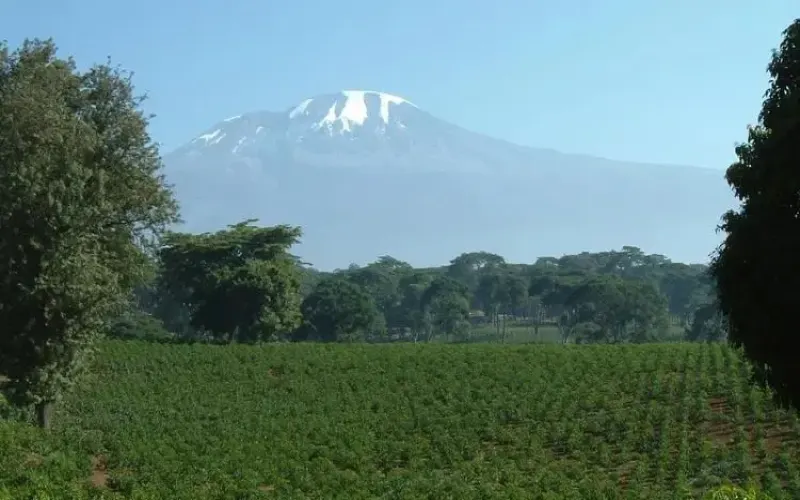
Africa, as the world's second-largest continent, is dominated by highlands and spans the equator, and its climatic conditions have given rise to numerous high-quality coffee-producing regions. Tanzania, with its unique geographical environment and historical heritage, has become an important coffee-producing country in East Africa and is known as the "coffee gentleman." From the introduction of coffee during the German colonial period, to industrial reforms after independence, and then to the shift of producing regions after the invasion of leaf rust, Tanzanian coffee has gone through a tortuous course of development. Today, nine producing regions, including Kilimanjaro, Arusha, and Kigoma, each have their own characteristics. Among them, Kigoma, as an emerging producing region, is gradually revealing its coffee potential by relying on the natural resources of Lake Tanganyika. This article will take you into a deeper understanding of the distribution and characteristics of Tanzania's coffee-producing regions, and focus on the terroir and prospects of the Kigoma producing region. [more…]
A Comprehensive Analysis of Decaf Coffee Beans: Decaffeination Processes, Flavor Truth, and a Comparison with Starbucks Decaf
Decaf coffee is not completely caffeine-free; rather, the vast majority of caffeine is removed through special processes. Since German merchant Ludwig Roselius invented the steam decaffeination method in 1903, decaffeination technology has developed along multiple paths, including the natural solvent method, the Swiss Water Process, and the carbon dioxide method. Many people worry that decaf coffee will suffer a major loss of flavor, but the fact is that the amount of caffeine does not directly determine the taste—what truly affects flavor is variety, origin, processing method, and roast level. This article will systematically review the history of decaf coffee, the three mainstream decaffeination methods, and flavor performance, while also comparing the differences between Starbucks decaf coffee and regular coffee, and providing reference for everyday purchasing. [more…]
A Classic Pour-Over Device Created by a Chemist: The Origin Story and Brewing Method of the Chemex Coffee Maker
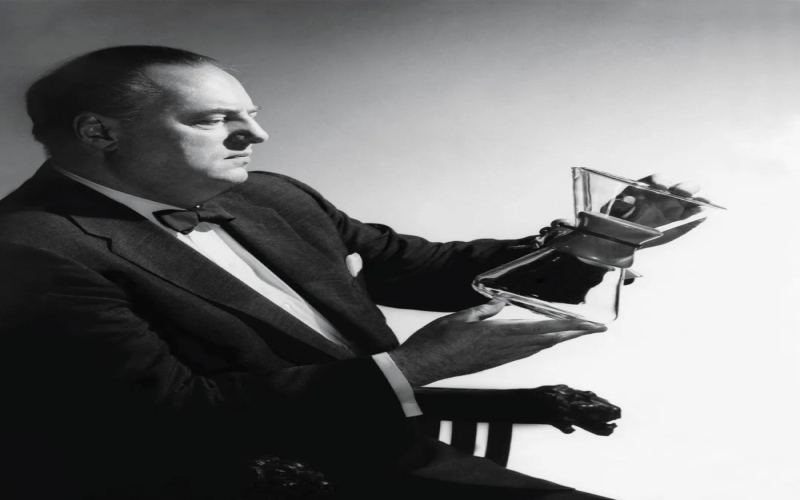
Among classic pour-over coffee tools, Chemex stands out with its unique hourglass shape and elegant temperament. Designed by German chemist Peter J. Schlumbohm in 1941, this product drew inspiration from laboratory glass funnels and conical flasks, and it remains a staple on the brewing benches of countless coffee enthusiasts today. It is not only permanently collected by institutions such as the Museum of Modern Art in New York and the Smithsonian, but has also become a common classic element in American TV series and coffee shops. This article will guide you through the original inspiration behind Chemex, its development history, and the complete brewing process shared by Front Street Coffee, so you can gain a comprehensive understanding of this legendary device that combines beauty and practicality. [more…]
A Tour of African Coffee-Producing Countries: The Cultivation History and Flavor Characteristics of Burundi, Cameroon, and the Democratic Republic of the Congo
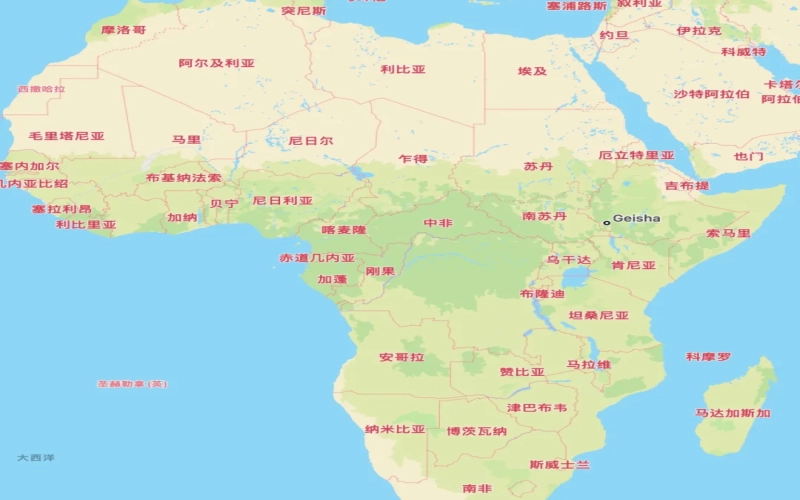
The African continent, with its exceptional natural conditions, has nurtured numerous coffee-producing countries. Beyond the well-known Ethiopia and Kenya, Burundi, Cameroon, and the Democratic Republic of the Congo also deserve attention. Burundi, known as the "Heart of Africa," showcases bright acidity and full-bodied sweetness through varieties such as Bourbon; Cameroon is dominated by Robusta, with Arabica accounting for only a small portion; the DRC, as the birthplace of Robusta, offers coffee with a wild flavor rich in fruity notes. This article will guide you through the coffee cultivation history, producing regions, variety characteristics, and industry status of these three countries, along with relevant recommendations from Front Street Coffee, to provide reference for your coffee exploration journey. [more…]
African Coffee Showdown: An Analysis of the Flavor Differences and Distinct Characteristics of Rwandan and Tanzanian Coffee
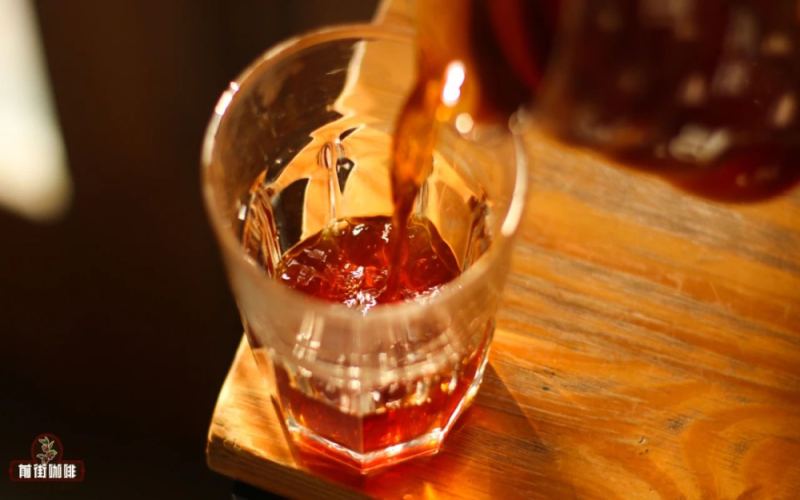
On the map of African coffee, Ethiopia and Kenya have long occupied the top two spots, but Rwanda and Tanzania also produce astonishingly high-quality beans. Front Street Coffee has specially compared two premium African beans side by side this time, sorting through their development history, cultivated varieties, processing methods, and cupping flavors one by one. Rwanda is mainly washed Bourbon, with bright acidity and prominent citrus-berry notes; Tanzania, relying on the high-altitude environment of Kilimanjaro, features Typica bringing a layered interplay of floral and nutty notes. The article also includes Front Street's roasting suggestions and brewing parameters, making it easy for coffee lovers to recreate the best expression of these two beans at home. [more…]
Where Does Pour-Over Coffee Come From? A Complete Guide to Its Origin Story and Three-Pour Brewing Steps
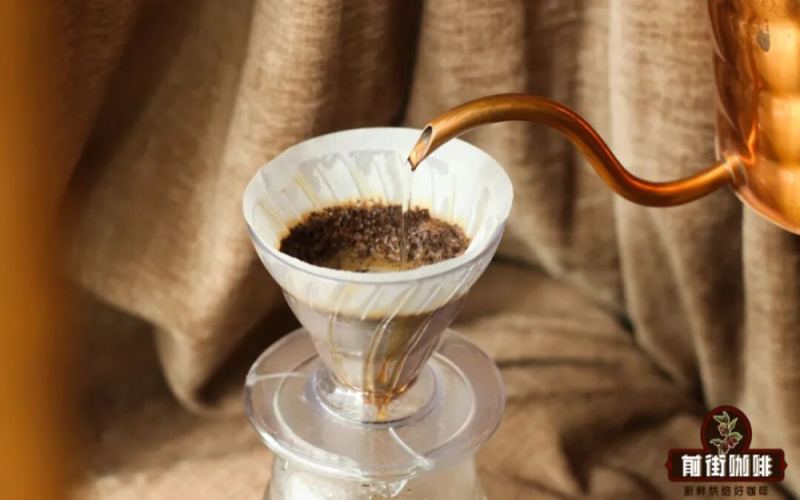
Pour-over coffee is now one of the mainstream brewing methods in specialty coffee, but its origins actually come from the ingenuity of a German housewife. In 1908, Melitta Bentz used a punctured brass pot and blotting paper to create the world's first filter-brewing coffee device, forever changing the way people drink coffee. This article will take you through the origins of pour-over coffee and the evolution of the dripper, and break down the complete three-stage brewing process in detail, including the four steps of blooming, main extraction, finishing, and blending. At the same time, Front Street Coffee also recommends suitable coffee beans for people with different taste preferences and provides specific brewing parameters to help you brew a clean, full-bodied, and richly layered pour-over coffee at home. [more…]
An African Gem on the Coffee Belt: A Tour of Tanzania and Rwanda's Coffee Industries
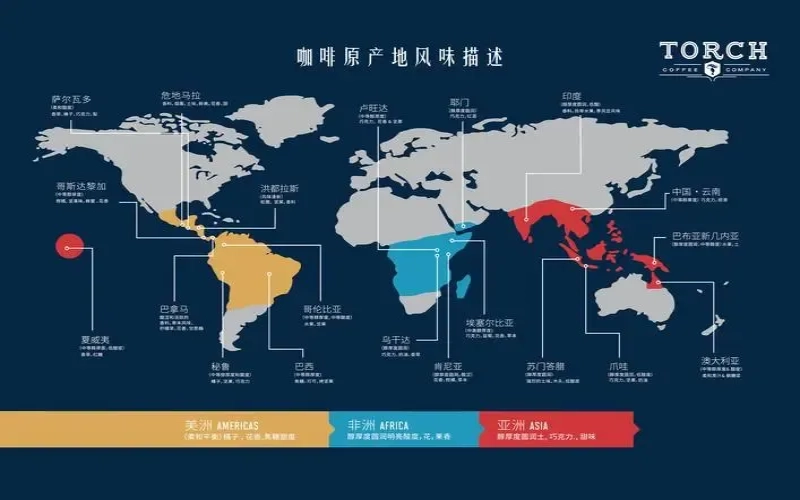
The African continent occupies a pivotal position in the global coffee landscape. Beyond the well-known Ethiopia and Kenya, it is also home to several distinctive coffee-producing countries. This article focuses on Tanzania and Rwanda, guiding you through the coffee-growing history, industry evolution, and flavor characteristics of these two nations. Tanzania has earned the reputation of "coffee gentleman" thanks to its Typica coffee beans from the Kilimanjaro region, while Rwanda has re-emerged after a period of turmoil, showcasing unique potential through its Bourbon varieties. Meanwhile, Front Street Coffee's Kenya and Tanzania products will also provide you with tasting references. [more…]

JAB invests 2.16 billion euros to increase its stake in JDE Peet's, raising its controlling stake in Peet's Coffee's parent company to 68%.
Luxembourg-based private equity giant JAB Holding Company recently announced that it will acquire all of Mondelēz International's shares in JDE Peet's for €2.16 billion (approximately 16.7 billion RMB). Upon completion of the transaction, JAB's stake in JDE Peet's will surge to 68%, making it the largest controlling shareholder of this Peet's Coffee parent company. As a leading pure-play coffee and tea company globally, JDE Peet's owns brands such as Peet's Coffee and Pickwick Tea, and in 2020 set the record for Europe's fastest IPO in Amsterdam. Since entering China in 2017, Peet's Coffee has opened 225 stores, covering 12 provinces and municipalities. This transaction was called an important milestone by JAB's CEO, and the market reacted positively, with JDE Peet's stock price surging 16% that day. Front Street Coffee continues to follow global coffee industry developments, bringing in-depth analysis to enthusiasts. [more…]

Analyzing the Flavor Differences Between Decaf and Regular Coffee: A Comprehensive Comparison of Pros and Cons with Front Street Coffee Recommendations
What exactly are the flavor differences between decaf coffee and regular coffee? Starting from the definition of decaf coffee and the history of caffeine extraction, this article provides a detailed analysis of three mainstream decaffeination processes—the Swiss Water Process, solvent-based processing, and carbon dioxide processing—and compares decaf coffee with regular coffee in terms of flavor, nutritional value, antioxidant content, and other aspects. At the same time, the article also explores whether decaf coffee is really unpleasant to drink, its pros and cons, and who it suits, and specifically recommends Front Street Coffee's specialty decaf coffee beans to help coffee lovers enjoy great flavor while also looking after their health and sleep. [more…]
Flavor Characteristics of Rwandan Coffee Beans and the Story of Rebirth in the Land of a Thousand Hills: From Genocide to the Rise of Specialty Coffee
Rwanda, known as the "Land of a Thousand Hills," is a prominent African coffee-producing country after Kenya and Ethiopia. However, unlike these two countries with long histories of coffee production, Rwanda's coffee industry was rebuilt from the rubble of war and genocide. This article will guide you through Rwanda's coffee-growing environment, Bourbon varieties, washed processing techniques, and the industry's revival path from the PEARL program to Starbucks' "Blue Bourbon." At the same time, Front Street Coffee will share roasting and brewing recommendations for Rwandan washed Red Bourbon, allowing you to savor the bright citrus acidity and nutty chocolate sweetness while feeling the resilience and hope of this land reborn from the ashes. [more…]
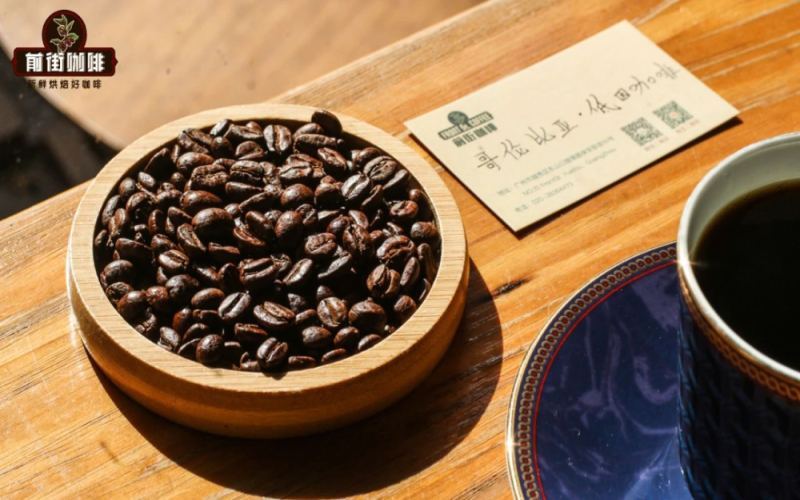
How to Choose Decaf Coffee? From the Goethe Legend and Decaffeination Methods to a Brewing Guide for Front Street Coffee Colombia Huila Decaf Beans
Do you love coffee but worry about not being able to sleep? Decaf coffee was made for exactly this reason. This article begins with an anecdote about Goethe and his friend Longhi, traces the origins and mass-production history of decaf coffee, explains that "decaf" does not mean completely caffeine-free, and introduces one by one the principles and pros and cons of three mainstream decaffeination processes: the direct/indirect solvent method, the supercritical carbon dioxide method, and the Swiss Water Process. It also discusses the real reasons why decaf coffee's flavor is easily damaged, as well as the importance of bean selection. Finally, using a decaf coffee from Colombia's Huila region as an example, it provides adjusted brewing parameters and a three-stage pouring procedure for coffee enthusiasts' reference. [more…]
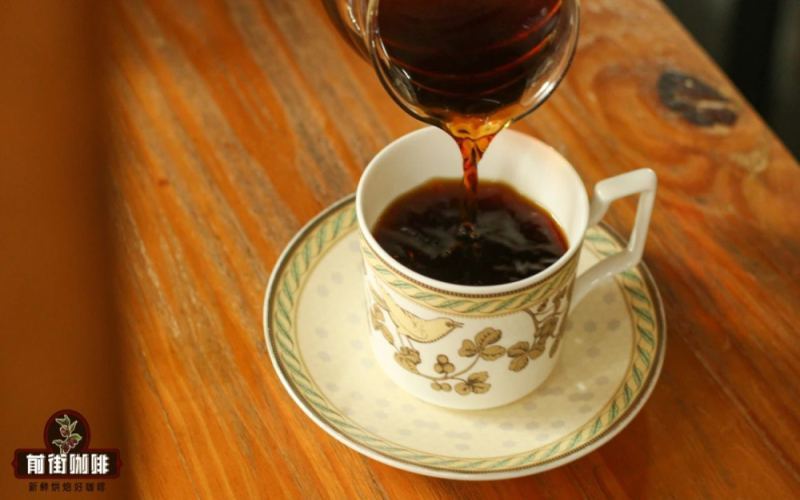
A Comprehensive Analysis of Decaf Coffee Beans: Pros and Cons, Health Effects, and a Detailed Look at Four Decaffeination Methods
Excessive caffeine can cause palpitations, insomnia, and other issues. For coffee lovers, decaf coffee offers a compromise that balances flavor and health. This article will systematically review the history of decaf coffee, the principles of decaffeination, and four mainstream processes, analyze the advantages and disadvantages of decaf coffee in terms of antioxidant components and nutrient retention, and answer the common question of whether decaf coffee is harmful to the body. At the same time, Front Street Coffee will share the variety composition, roasting curve, cupping performance, and brewing parameters of its newly launched Colombian decaf coffee, providing coffee enthusiasts with a complete reference guide to decaf coffee. [more…]
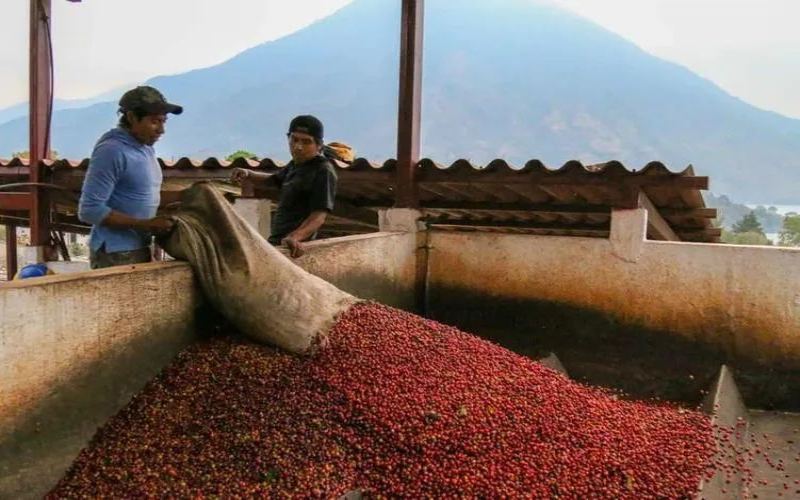
Guatemalan Coffee Growing Conditions, Development History, Main Varieties, and a Detailed Guide to Antigua La Flor del Café Beans
Guatemala is located in southern North America, where volcanic soil, tropical rainforests, and complex microclimates combine to create excellent conditions for coffee cultivation. From Jesuit missionaries bringing coffee trees to Antigua in the 18th century, to coffee rising to become an important cash crop in the mid-19th century, and then to the establishment of the National Coffee Association in 1960, Guatemala's coffee industry has traveled a winding yet solid path of development. Today, the region not only cultivates common varieties such as Bourbon, Typica, Caturra, Catuai, and Geisha, but also has developed distinctive variants such as Pache, Tekisic, and Mibirizi. Front Street Coffee has also acquired La Minita Estate's Flor del café beans from Antigua, and this article will unfold one by one from planting history, variety characteristics, to brewing performance. [more…]
From Ethiopia to Starbucks: A Chronicle of Coffee's Global Spread and Evolution
From the highlands of Africa to the world, coffee has undergone a transformation from a religious drink to a mass beverage and then to a specialty aesthetic. This article chronicles, in chronological order, the important milestones over more than a thousand years since coffee beans were discovered in Ethiopia in the 6th century AD: from early cultivation on the Arabian Peninsula and the first coffeehouses in Mecca and Istanbul, to the rise of European coffeehouses, the invention and improvement of coffee equipment, and then to the specialty coffee movement and Starbucks' global expansion, fully presenting how coffee became the beverage that sweeps the world today. Front Street Coffee recommendations are also retained in the article. [more…]

From Saucer to Handle: The History and Artistic Testimony of How Seventeenth-Century Europeans Drank Coffee from Saucers
Today, a coffee cup and saucer are mostly just a coaster and a decorative item. But in Europe before the eighteenth century, the saucer was the "star" of coffee drinking. In 1640, the Dutch brought coffee from Mocha in Yemen to the Netherlands, and from there it spread throughout Europe, quickly making coffee drinking a fashion among the upper classes. At that time, Europe had not yet mastered porcelain-making technology and could only import thin, light porcelain cups from China—yet these cups had no handles, making the freshly brewed coffee too hot to hold. So people poured the coffee into the saucer to cool it, then sipped it the way modern cuppers do. It was not until the eighteenth century, when the Germans mastered porcelain production and handled porcelain cups became widespread, that the habit of drinking coffee from the saucer gradually faded away. This history has also been recorded in many paintings, so let's look together at the coffee stories in those still lifes and figure paintings. [more…]
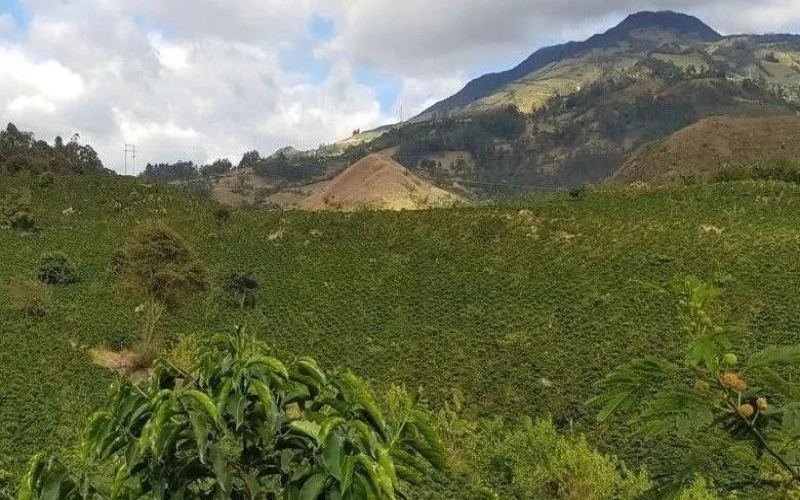
An Analysis of the Coffee Characteristics of Colombia's Nariño Region and the Development History of the Obraje Estate
South America occupies a pivotal position in the global coffee supply, and within it, Colombia—thanks to the unique geographical and climatic conditions of the Andes—has given rise to numerous coffee-growing regions with strikingly different styles. As a rising star, the Nariño department is renowned for its complex flavors and floral aromas, while the Obraje estate is a pioneer and benchmark in this region. This article will guide you through the distribution characteristics of Colombia's coffee-growing regions, focus on analyzing the terroir advantages of the Nariño region, and review the Obraje estate's transformation from grain cultivation to COE champion. At the same time, we will also mention the Huila region representative from Front Street Coffee's everyday beans series for daily tasting reference. [more…]
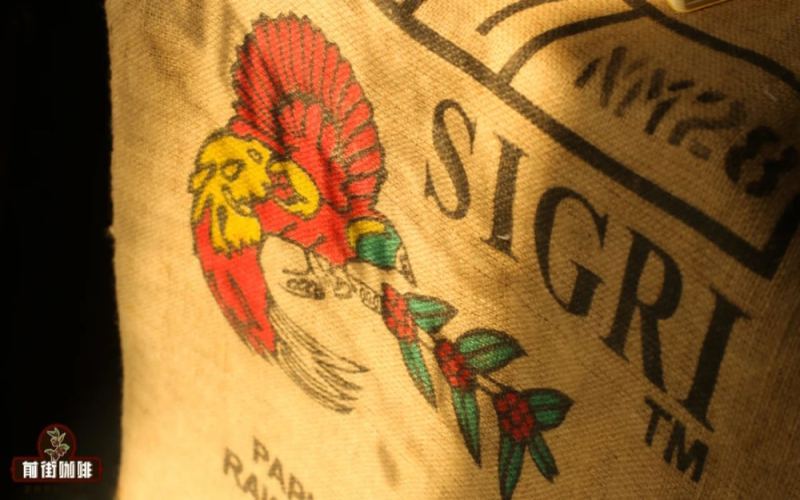
Papua New Guinea Bird of Paradise Estate PB Peaberry Specialty Coffee Brewing Parameters and Front Street Coffee Pour-Over Recommendations
Papua New Guinea is the largest island nation in the South Pacific. Its signature coffee, Bird of Paradise, shares a deep connection with Blue Mountain coffee due to its Typica lineage, and it is often called "Little Blue Mountain." Front Street Coffee once compared the two: Blue Mountain pour-over presents a rich, full-bodied dark chocolate and caramel profile, while Papua New Guinea coffee, within its full body, carries a touch of fruity acidity, each with its own distinctive character. This article will systematically sort out the background knowledge of this coffee-producing country from the perspectives of geographical environment, coffee history, producing region distribution, washed processing, and grading system, with a key introduction to the Typica AA coffee beans from the Bird of Paradise estate. At the end, it includes the medium-dark roast approach given by Front Street Coffee, a Kono dripper paired with 88°C water temperature, 15 grams of coffee at a 1:15 coffee-to-water ratio, and a staged pouring plan, helping enthusiasts recreate at home this bean's toasted bread sweetness, nutty sweetness, and subtle fruity acidity layers. [more…]